We offer private dining

Make Indian Sweet Recipes with Just 5 Ingredients

Remember that time I tried making gulab jamun from scratch and ended up with what looked like tiny hockey pucks? Yeah, my family still hasn’t let me live that down. The recipe I followed had about seventeen ingredients and took three hours. That’s when I had my lightbulb moment: Indian sweet recipes don’t have to be complicated!

Here’s the thing about traditional Indian sweets: they’re absolutely delicious, but somewhere along the way, we convinced ourselves they need a million ingredients and the patience of a saint. Spoiler alert: they don’t. I’ve spent the last year experimenting in my kitchen and I’ve figured out how to make amazing Indian desserts with just five ingredients or less.

Whether you’re a student trying to impress your roommates or someone who just wants to satisfy that late-night mithai craving without calling your mom for help, these recipes are for you. No fancy equipment needed, no mysterious ingredients you can’t pronounce, just simple, straightforward Indian sweet recipes that actually work.

Milk-Based Sweets

Let’s start with milk-based sweets because honestly, they’re my comfort zone. Plus, you probably already have milk in your fridge. So you’re halfway there.

Kalakand

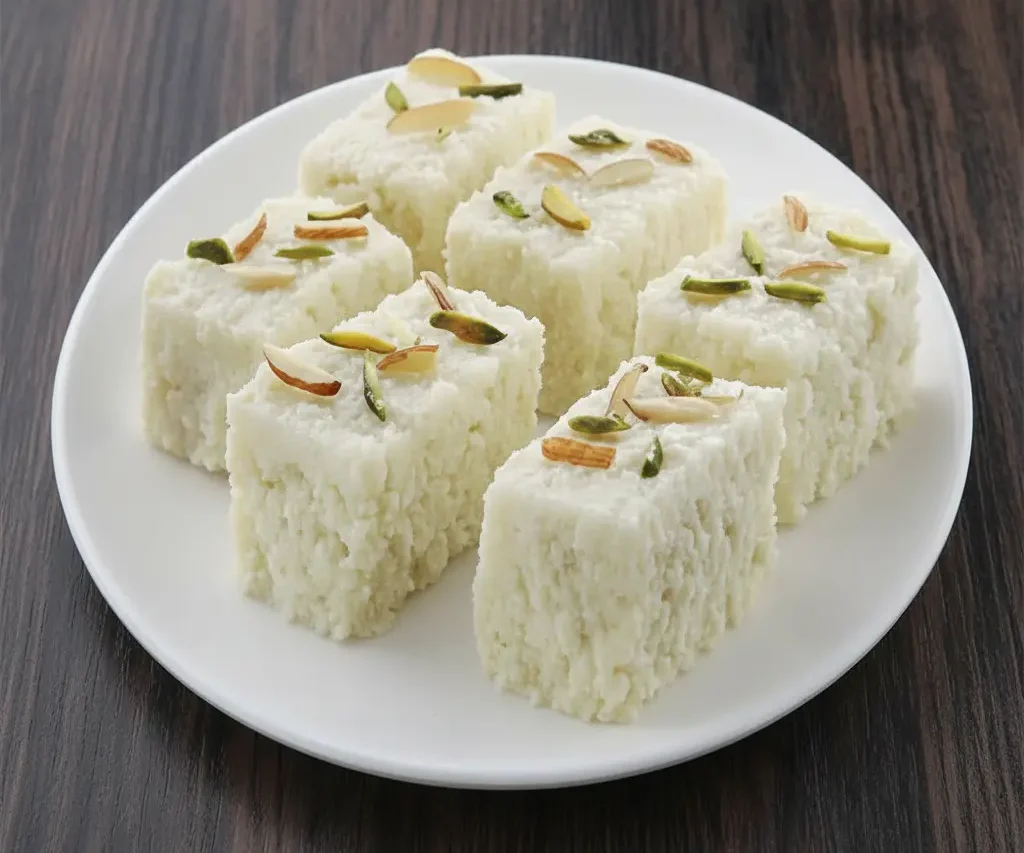
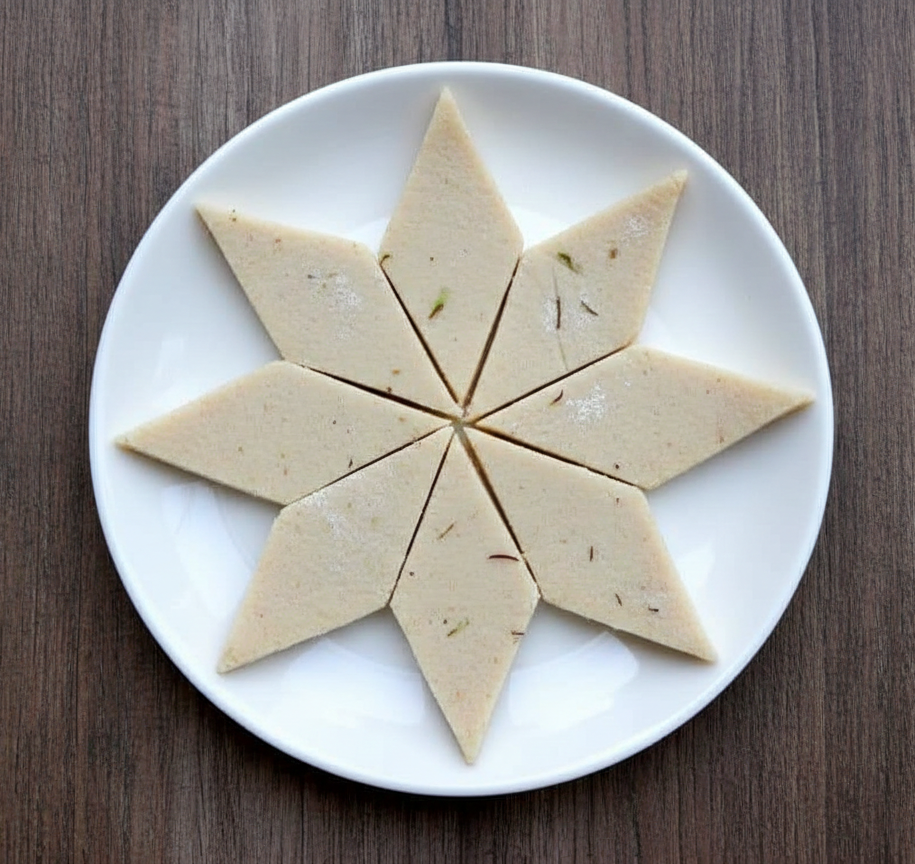
This one literally saved me during Diwali when I forgot I’d promised to bring dessert to my friend’s party. All you need is paneer, condensed milk, milk powder, cardamom and pistachios for garnish. I just crumble the paneer, mix everything together, cook it for about 15 minutes while stirring and pour it into a greased plate. Two hours in the fridge and boom you look like a dessert genius.

The first time I made this, my neighbour actually knocked on my door asking what smelled so good. I felt like a proper grown-up that day!

Kalakand

Basundi

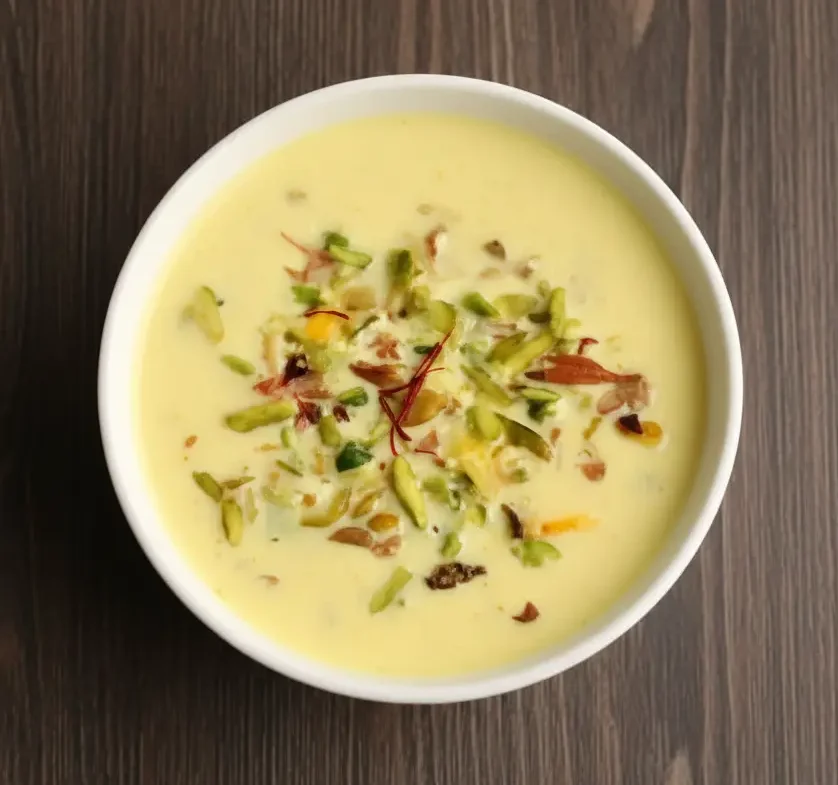
This is basically milk that decided to become fancy. You need milk, sugar, cardamom, a pinch of saffron and nuts. The secret? You just keep boiling the milk until it reduces and thickens. I usually do this while watching Netflix because it takes about 40 minutes and someone needs to stir it occasionally. Pro tip: don’t get too engrossed in your show or you’ll end up with burnt milk (ask me how I know).

Basundi

Phirni

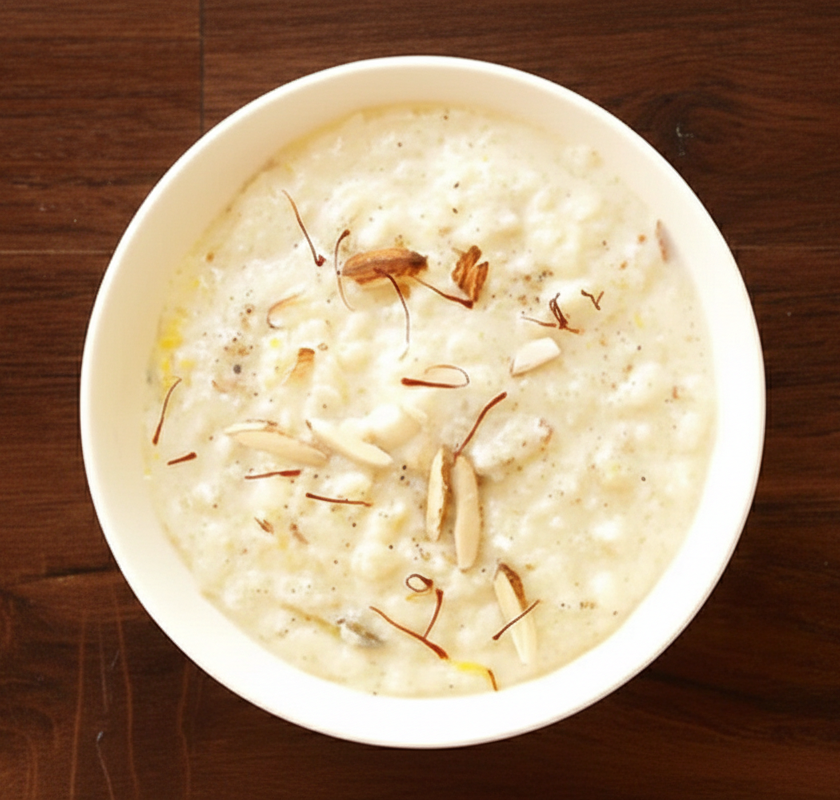
Ground rice, milk, sugar, cardamom and rose water, that’s it! I soak rice for 30 minutes, grind it up and cook it with milk. My roommate once told me it tastes better than the fancy restaurant version and I’m pretty sure she wasn’t just being nice because I let her have the last serving.

Phirni

Flour-Based Sweets

Flour-based Indian sweets are perfect for when you want something that feels more substantial. These are the ones that stick to your ribs in the best possible way.

Besan Ladoo

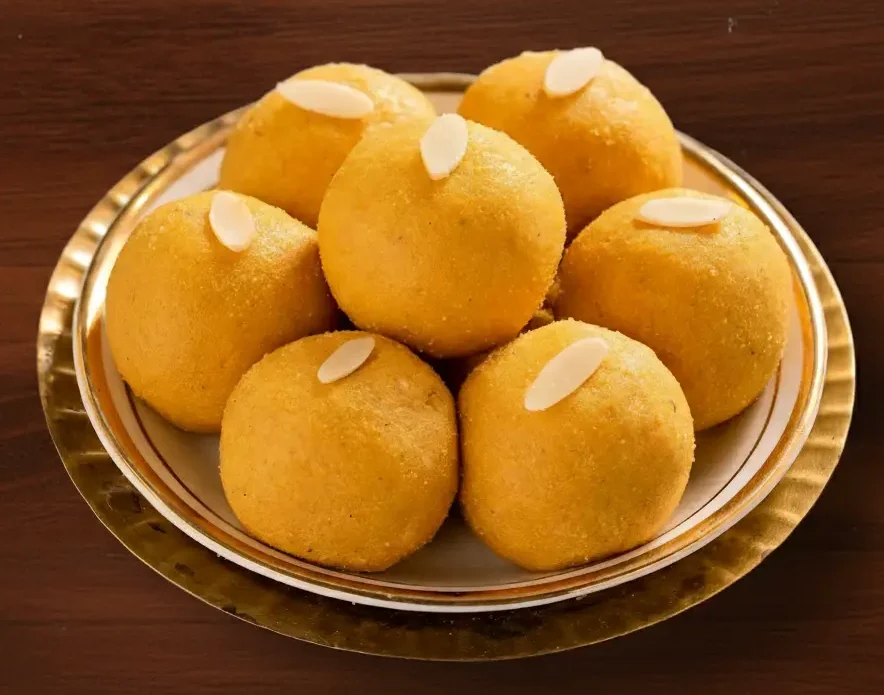
Gram flour, ghee, powdered sugar, cardamom and chopped nuts. That’s all you need for these golden balls of happiness. I roast the besan in ghee until my entire apartment smells like an Indian sweet shop (my neighbours definitely know when I’m cooking). The trick is roasting the flour properly, it should smell nutty, not raw. I learned this the hard way when my first batch tasted like, well, raw flour balls. Not my finest moment.

These ladoos are honestly dangerous because I can’t stop at just one. I’ve started making them in smaller batches because my self-control is basically non-existent.

Beson Laddu

Atta Halwa

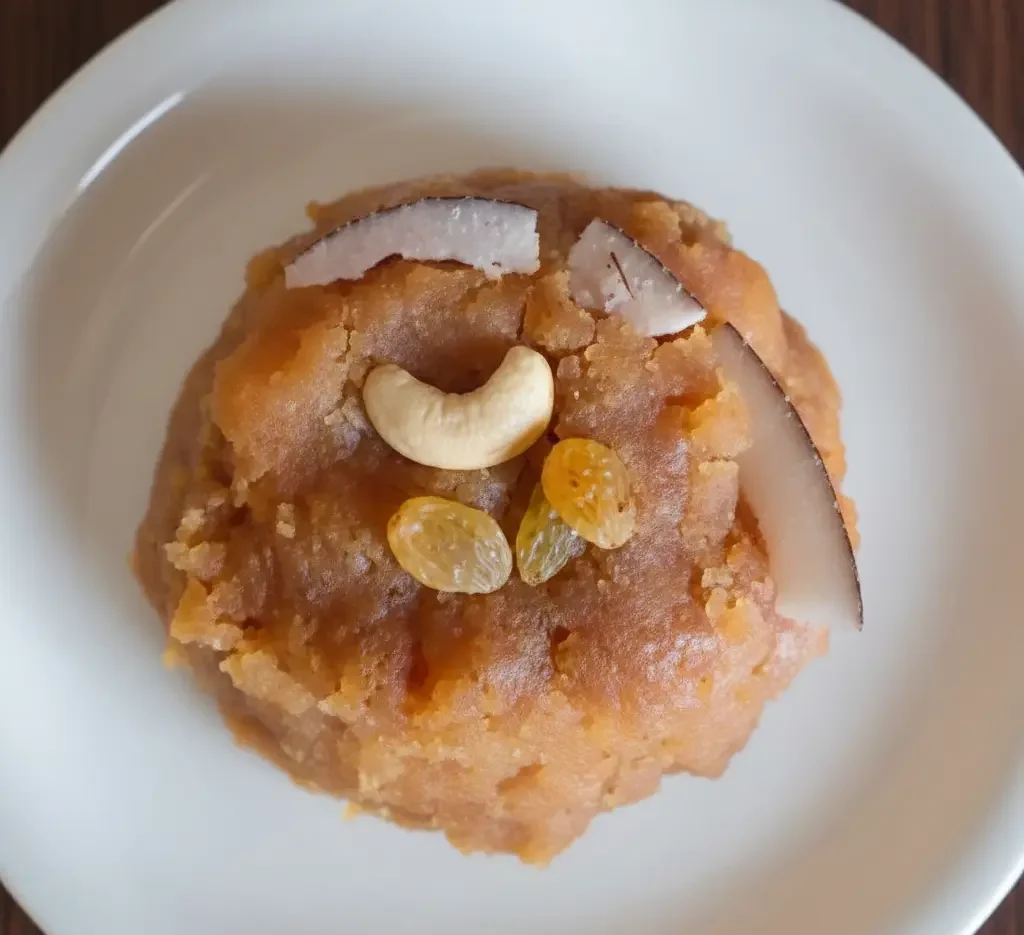
Whole wheat flour, ghee, sugar, water and cardamom. This is the dessert my mom made whenever I was feeling down, so it has serious emotional value. You roast the flour in ghee (sensing a pattern here?), add water and sugar and keep stirring until it comes together. It’s warm, comforting and reminds me of home every single time.

Atta Halwa

Sooji Halwa

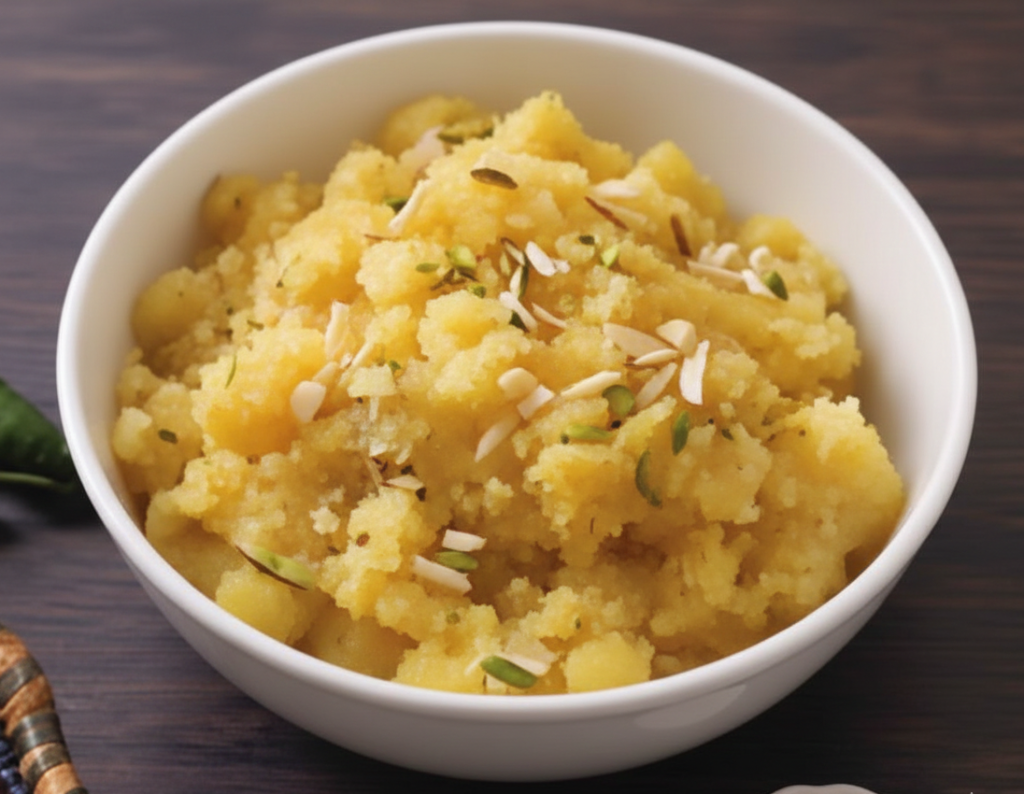
Semolina, ghee, sugar, water and cardamom again. Honestly, if cardamom had a fan club, I’d be the president. This halwa comes together in about 20 minutes which makes it perfect for unexpected guests. I once made this at 11 PM because my friend was having a bad day and needed comfort food. We ate it straight from the pan while sitting on the kitchen floor. Good times.

Sooji Halwa

Nut & Seed Sweets

These are the overachievers of the Indian sweets world. Packed with nutrition but still tastes like pure indulgence.

Peanut Chikki

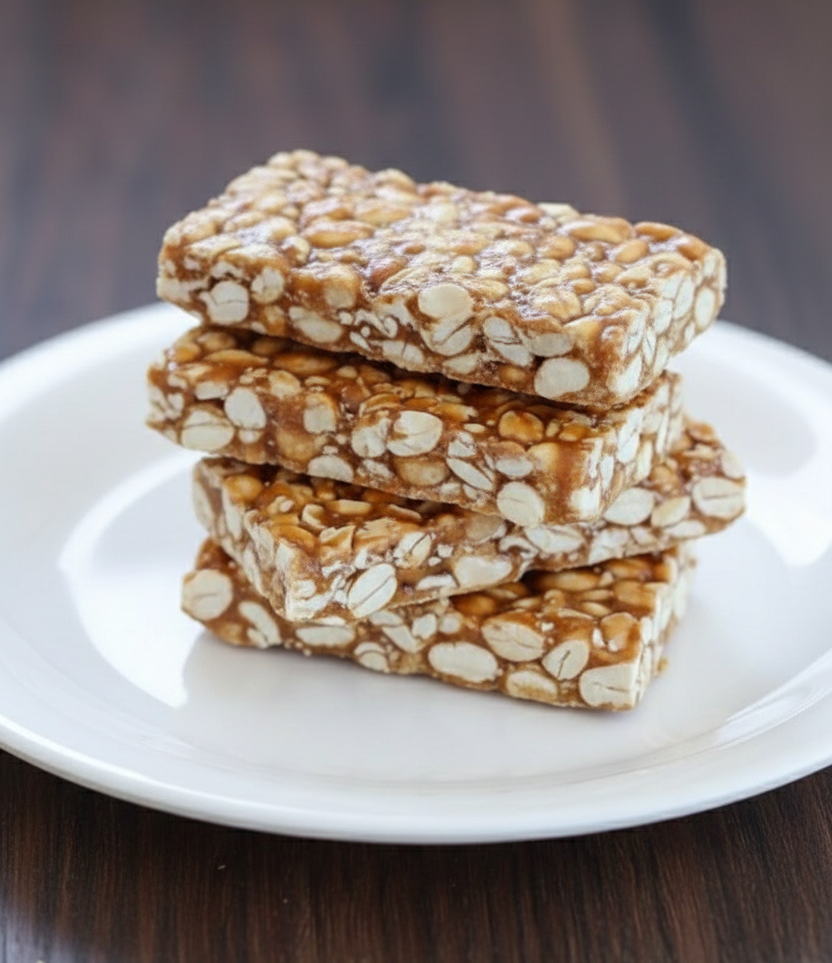
This is just peanuts, jaggery, ghee, cardamom and a pinch of salt. Yes, salt in a sweet! It balances the sweetness and makes it taste more complex. I spread the mixture thin on a greased surface, let it cool and break it into pieces. It’s crunchy, sweet and my go-to gift for friends because it looks fancy but takes literally 15 minutes.

Peanut Chikki

Cashew Burfi

Cashews, sugar, milk, ghee and cardamom. I grind the cashews into a fine powder (my blender hates me for this), cook everything together until it’s thick and spread it out. The texture should be smooth and fudgy. My first attempt was grainy but practice makes perfect, right?

Barfi

Festive Favourites Dishes

Now, I know what you’re thinking, festive sweets are complicated, right? Wrong! Let me prove it.

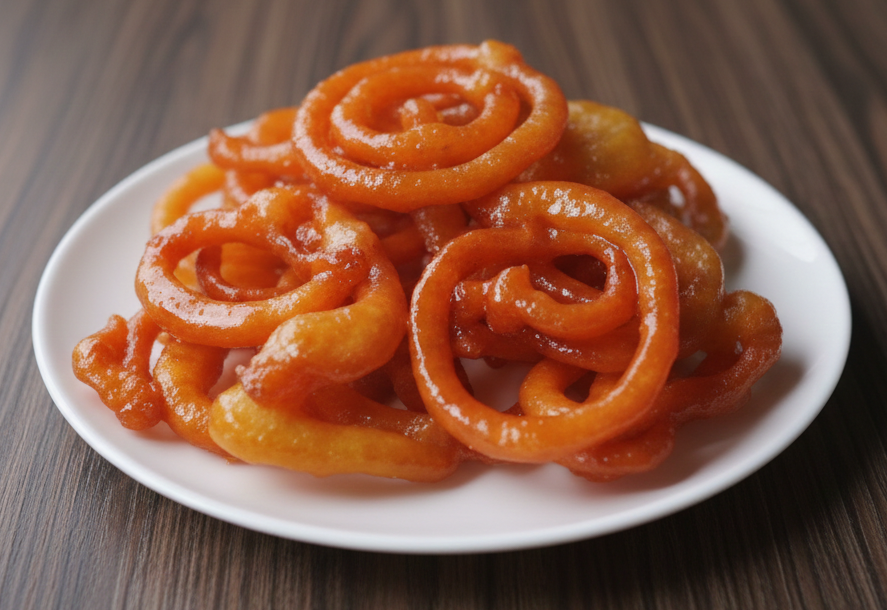
Jalebi

All-purpose flour, yoghurt, sugar, water and saffron. Mix flour and yoghurt into a batter, let it ferment overnight (just leave it on your counter), make a sugar syrup and pipe the batter into hot oil in circular shapes. They won’t look perfect and that’s okay! Mine look like abstract art, but they taste amazing and that’s what matters.

Jilabi

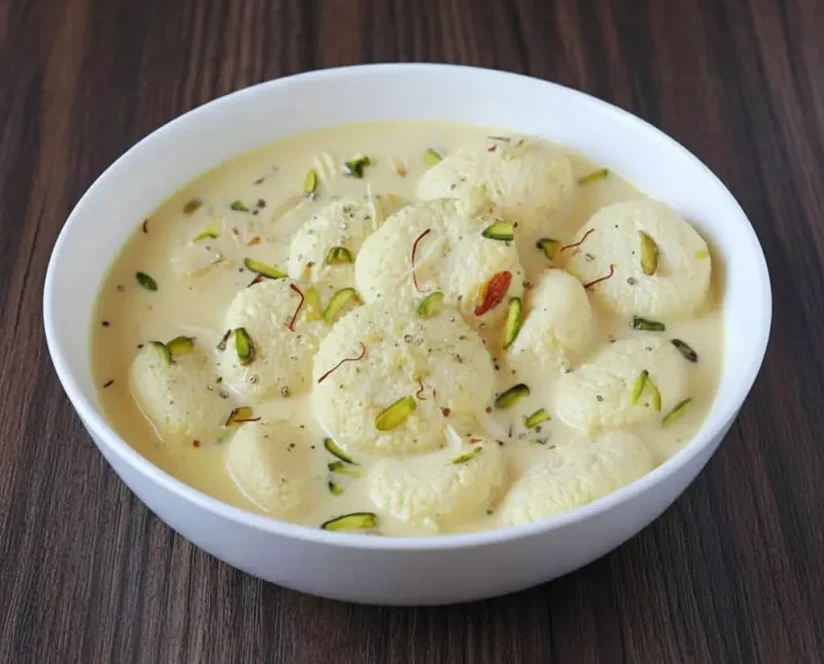
Rasmalai

Paneer, milk, sugar, cardamom and saffron. I skip the whole making-rasgulla-from-scratch thing and just use store-bought paneer. Flatten the paneer into discs, soak them in flavoured milk and chill. Is it traditional? Not really. Does it taste good? Absolutely. Will your guests know the difference? Probably not.

Rasmalai

Ingredient Swaps & Variations

Let’s talk about making these recipes work for everyone because food should be inclusive, right?

For vegan versions, swap regular milk with coconut milk or almond milk. Use coconut oil instead of ghee. I tried the coconut oil version of besan ladoo once and honestly, the subtle coconut flavour was pretty amazing. If you’re watching your sugar intake, jaggery is your friend. It’s less refined and adds a caramel-like flavour. I use it in almost everything now because it just tastes better to me.

Don’t have cardamom? Use cinnamon. No saffron? A tiny bit of turmeric gives you the colour. The point is, don’t stress about having the exact ingredients. Indian cooking is all about working with what you have. For nuts, feel free to use whatever you have on hand. I’ve made cashew burfi with almonds when I ran out of cashews and guess what? Still delicious.

Love desserts? If you are in London, try sweet desserts at The India restaurant Fleet Street.

Conclusion

Making Indian sweet recipes at home doesn’t require a culinary degree or your grandmother’s secret techniques (though those are nice to have). It just needs five ingredients, a little patience and the willingness to laugh at yourself when things don’t go perfectly.

I’ve burnt halwa, made ladoos that wouldn’t stick together and created burfis with questionable textures. But I’ve also made sweets that impressed my friends, satisfied my cravings and made my small apartment smell like home. That’s what these simple Indian dessert recipes can do for you too. Start with one recipe. Maybe it’ll turn out perfect, maybe it won’t. Either way, you’ll end up with something sweet to eat and a funny story to tell. And isn’t that what cooking is all about?

Now, if you’ll excuse me, I have some besan ladoos calling my name from the kitchen. Happy cooking!

Can I make Indian sweets without ghee?

Yes, you can substitute ghee with butter or neutral cooking oil in most recipes. However, ghee gives Indian sweets their authentic flavor and aroma. If you're looking for vegan options, use coconut oil or vegetable oil. The texture might be slightly different, but the sweets will still taste delicious.

How long do homemade Indian sweets last?

Most Indian sweets last 3-5 days at room temperature in an airtight container. Milk-based sweets like kheer and barfi should be refrigerated and consumed within 5-7 days. Dry sweets like besan ladoos and til ladoos can last up to 2 weeks when stored properly. Always refrigerate during hot weather to prevent spoilage.

What is the difference between jaggery and sugar in Indian sweets?

Jaggery is unrefined cane sugar with a deep, caramel-like flavor, while white sugar is refined and purely sweet. Jaggery adds a richer, more complex taste to sweets and is considered healthier as it retains minerals. You can use them interchangeably, but jaggery makes sweets less intensely sweet and gives them a golden-brown color.

Why do my ladoos fall apart when I try to shape them?

Ladoos fall apart when the mixture is too dry or not cooked enough. Make sure you cook the mixture until it binds together and forms a soft dough-like consistency. Add a little extra ghee or milk if the mixture seems too crumbly. Let it cool slightly before rolling, warm mixture binds better than cold.

Can I make Indian sweets without milk powder?

Yes! Traditional recipes use fresh milk, khoya (milk solids), or condensed milk instead of milk powder. Milk powder is just a convenient shortcut. For barfi, you can cook down regular milk until it thickens. For gulab jamun, use khoya or paneer. The taste will be more authentic with traditional methods.

What is cardamom and can I skip it in recipes?

Cardamom is a fragrant spice that gives Indian sweets their signature flavor. While you can technically skip it, the sweets won't taste authentically Indian. If you don't have cardamom powder, you can use vanilla extract as a substitute, though the flavor will be different. You can also try rose water or saffron for variation.

Are Indian sweets very high in calories?

Yes, most Indian sweets are calorie-dense due to ingredients like milk, ghee, sugar, and nuts. However, you can make healthier versions by reducing sugar, using low-fat milk, and controlling portion sizes. Sweets like kheer and fruit-based halwas are relatively lighter options. Remember, they're meant to be enjoyed in moderation during special occasions.

Can I freeze Indian sweets?

Yes, many Indian sweets freeze well! Barfi, ladoos, and even gulab jamun can be frozen for up to a month. Wrap them individually in plastic wrap, then place in an airtight container or freezer bag. Thaw in the refrigerator overnight before serving. Kheer and other pudding-style sweets don't freeze as well due to texture changes.

Can I reduce the sugar in Indian sweet recipes?

You can reduce sugar by 20-25% in most recipes without drastically affecting the outcome. However, in recipes where sugar is structural (like gulab jamun syrup or certain barfis), reducing too much will change the texture. Start by reducing gradually and taste-testing. Using naturally sweet ingredients like dates, figs, or ripe bananas can also help cut down refined sugar.

What is khoya and where can I find it?

Khoya (also called mawa) is dried milk solids used in many Indian sweets. It's made by simmering milk until all the water evaporates, leaving thick, crumbly solids. You can find khoya at Indian grocery stores or make it at home by slowly cooking full-fat milk for 45-60 minutes. Milk powder is often used as a convenient substitute in modern recipes.