
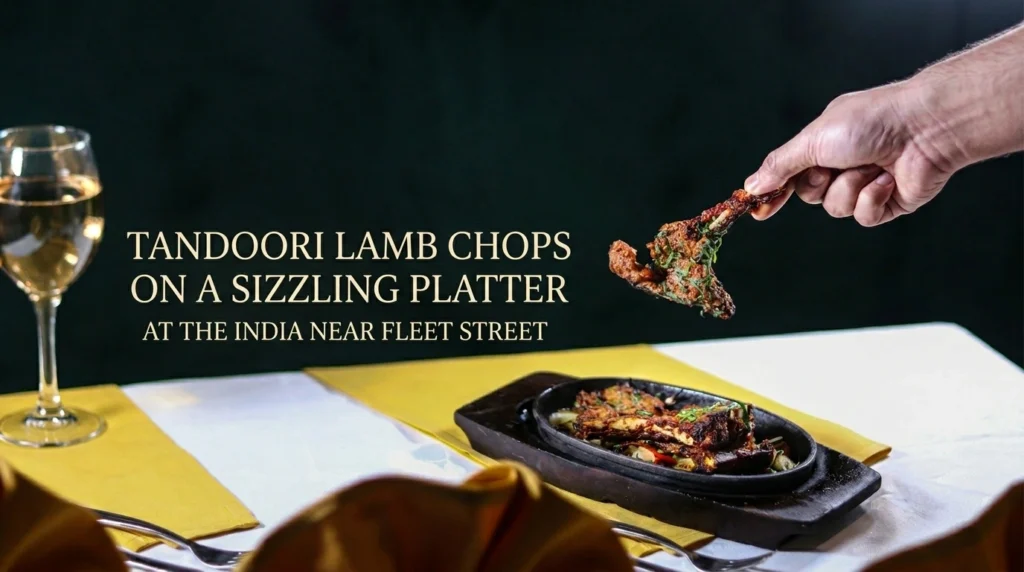
If you’ve ever stood at a restaurant counter near Fleet Street, scanning a menu and wondering whether to order the tandoori chicken or the chicken curry, you’re not alone. The tandoori vs curry question comes up almost every day at The India, and honestly, most people in London have eaten both dishes dozens of times without ever quite knowing what separates them. The short answer: tandoori refers to a cooking method, while curry refers to a dish made with a sauce or gravy. But there’s a lot more nuance worth understanding, especially if you actually want to enjoy your next Indian meal with confidence.
Let’s break it down properly.
What Is Tandoori Cooking, Exactly?
Tandoori isn’t a flavour; it’s a technique. The word comes from the “tandoor,” a cylindrical clay oven that’s been used across North India, Punjab, and Central Asia for centuries. Meat, paneer, or seafood is first marinated in yoghurt and a blend of spices (more on that below), then cooked at extremely high temperatures, often above 480°C, inside the tandoor.
This intense, dry heat does two things: it seals in moisture while charring the outside, giving you that signature smoky flavour and slightly blackened edges. There’s no sauce involved at all. Tandoori chicken, for example, is served dry, often with a wedge of lemon and some sliced onions, not swimming in gravy.
So when someone asks “Is tandoori spicy?” the honest answer is that it depends on the marinade, but tandoori dishes are generally more about smoky depth than heat. The spice comes from the marinade clinging to the meat, not from a sauce surrounding it.
What Actually Goes Into Tandoori Marinade?
A proper tandoori chicken marinade typically includes:
- Thick yoghurt (this tenderises the meat and helps the spices stick)
- Ginger-garlic paste
- Kashmiri red chilli powder (for colour more than heat)
- Garam masala
- Ground cumin and coriander
- A touch of mustard oil or lemon juice
This is essentially what people are searching for when they look up making tandoori masala or how to recreate that authentic tandoori spice blend at home. The trick most home cooks miss isn’t the spice ratio; it’s the heat. Without a tandoor or a very hot oven/grill, you simply can’t replicate that char.
What Is Curry, Then?
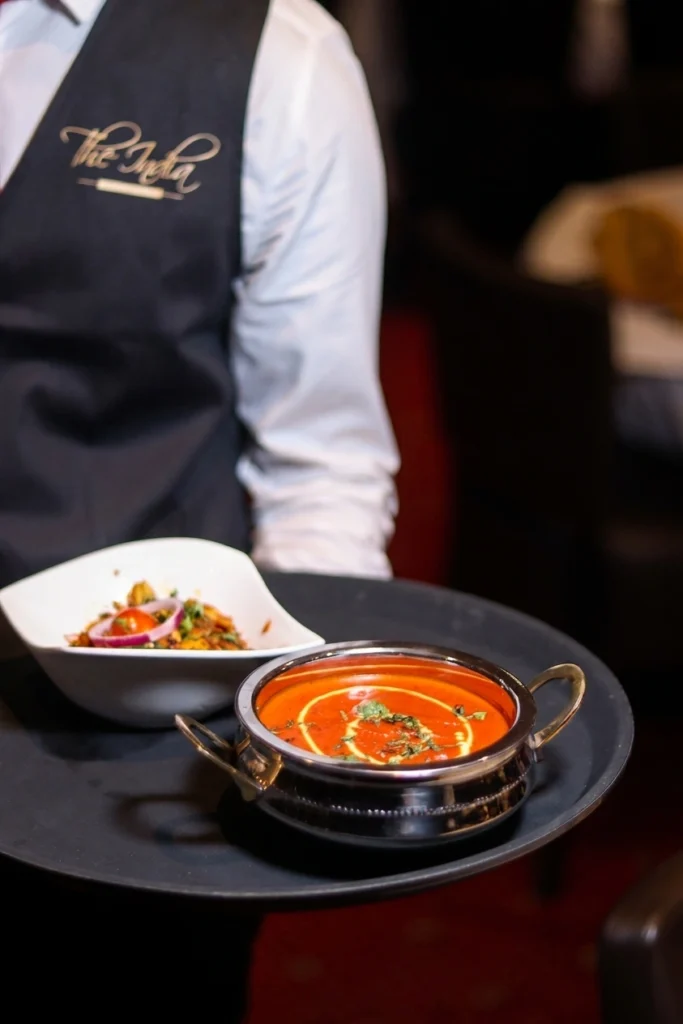
Curry is a broader, looser term, and ironically, it’s not really a word used much in India itself in the way the West uses it. According to the history of curry, a curry is any dish built around a spiced sauce or gravy, usually made from a base of onions, tomatoes, ginger, garlic, and a mix of ground spices, simmered slowly until the flavours deepen.
This is where dishes like chicken madras curry, vindaloo, or a rich kadai curry come in. Each region of India has its own curry style. Kerala’s coconut-based curries are entirely different from a Punjabi butter chicken or a fiery Goan vindaloo. What unites them is the gravy itself, not a single spice or method.
If you’ve ever wondered what makes one curry milder and another fiercely hot, it usually comes down to the chilli variety used and how long it’s cooked. A madras curry, for instance, leans on dried red chillies and a longer simmer, while a korma relies on cream, nuts, and gentler spicing.
Tandoori vs Curry: The Core Differences
| Tandoori | Curry | |
|---|---|---|
| Method | Dry-roasted in a clay oven | Simmered in a sauce |
| Texture | Charred, dry exterior | Saucy, gravy-based |
| Spice delivery | Through marinade | Through cooked-down gravy |
| Example dishes | Tandoori chicken, tandoori tikka, tandoori seafood | Madras, vindaloo, kadai, korma |
| Heat source | Tandoor or high grill | Stovetop pan |
A really common point of confusion is “chicken tikka masala.” It actually combines both worlds. The chicken is first cooked tandoori-style (marinated and grilled), then finished in a curry sauce. That’s why it can feel like the best of both: smoky char with a comforting gravy. You’ll find both styles side by side on our main menu.
Why Does This Matter When You’re Eating Out?
Understanding this difference genuinely changes how you order. If you love that smoky, charred flavour without heaviness, go tandoori; it’s also naturally lower in oil since there’s no simmering sauce involved. If you want something rich, warming, and best mopped up with naan or rice, curry is your answer.
For anyone working around the legal district near Fleet Street and grabbing a quick lunch, this distinction is genuinely useful. A tandoori dish tends to be lighter and faster to eat without staining your shirt before an afternoon meeting (we’ve all been there with a stubborn curry stain). A curry, on the other hand, is the better choice for a relaxed evening meal when you’ve got time to enjoy it properly, and pairs beautifully with something from our drinks menu.
A Few Common Mistakes People Make
- Assuming “tandoori” means spicy. It usually means smoky, not hot.
- Thinking tandoori chicken and chicken tikka are the same. Tikka is boneless, cut into smaller pieces, and often slightly more saucy when marinated.
- Believing every curry is the same heat level. A Kerala curry and a vindaloo are worlds apart.
- Trying to recreate tandoori at home in a regular oven and expecting the same char. Without very high, direct heat, you’ll get tender chicken but not that signature blackened edge.
How The India Brings Both Together
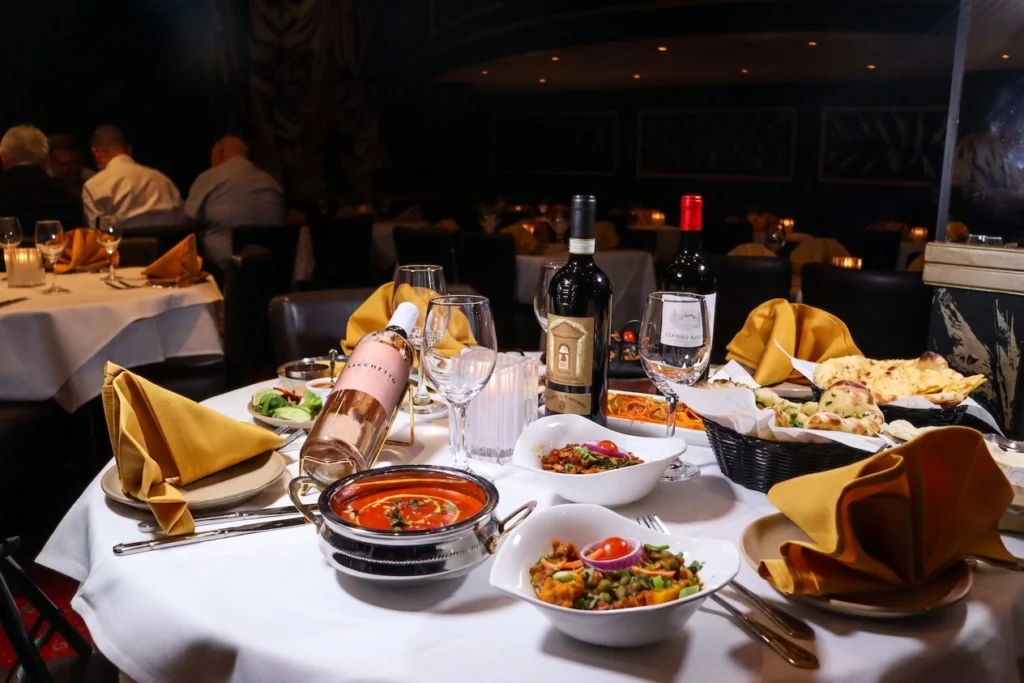
At The India, located at 8 Crane Court, just off Fleet Street, we serve both styles properly: true tandoori dishes cooked the traditional way, and slow-simmered curries made fresh daily, prepared in line with UK food hygiene standards. If you’re new to Indian food or just want to explore both properly, our lunch thali is actually one of the easiest ways to try a bit of everything in one sitting. You can browse the full spread on our food menu and reserve your table online in under a minute.
Conclusion
So, tandoori vs curry, it really comes down to method versus dish. Tandoori is about high heat, smoky char, and a dry marinade. Curry is about a slow-cooked, spiced gravy. Neither is “better”; they’re simply different experiences, and the best Indian meals often combine both on the same table. Next time you’re near Fleet Street deciding what to order, you’ll know exactly what you’re getting, and why it tastes the way it does. See our customers’ experiences in our reviews.
Frequently Asked Questions
Q: Is tandoori the same as curry?
No. Tandoori is a cooking method using a clay oven and dry marinade, while curry refers to a dish made with a spiced sauce or gravy.
Q: Is tandoori chicken spicy?
Not necessarily. Tandoori chicken gets its red colour mostly from Kashmiri chilli powder and paprika, which add colour more than heat. Spice level depends on the specific marinade.
Q: What’s the difference between tandoori chicken and chicken tikka?
Tandoori chicken is usually cooked on the bone in larger pieces, while chicken tikka is boneless and cut smaller, often slightly more tender and saucy.
Q: Can curry be made without tomatoes?
Yes. Many South Indian and coastal curries use coconut milk or yoghurt as the base instead of tomatoes.
Q: What is chicken tikka masala, tandoori or curry?
It’s both. The chicken is first cooked tandoori-style, then finished in a curry sauce, which is why it’s such a popular hybrid dish.
Q: How do I make tandoori masala at home?
Mix yoghurt, ginger-garlic paste, Kashmiri chilli powder, garam masala, cumin, and coriander, then marinate your protein for at least 4 hours before grilling at high heat.
Q: What’s the healthiest option, tandoori or curry?
Tandoori dishes are generally lighter since they’re dry-cooked with little to no added oil or cream, while curries (especially cream-based ones) tend to be richer.